After the Earth Shook
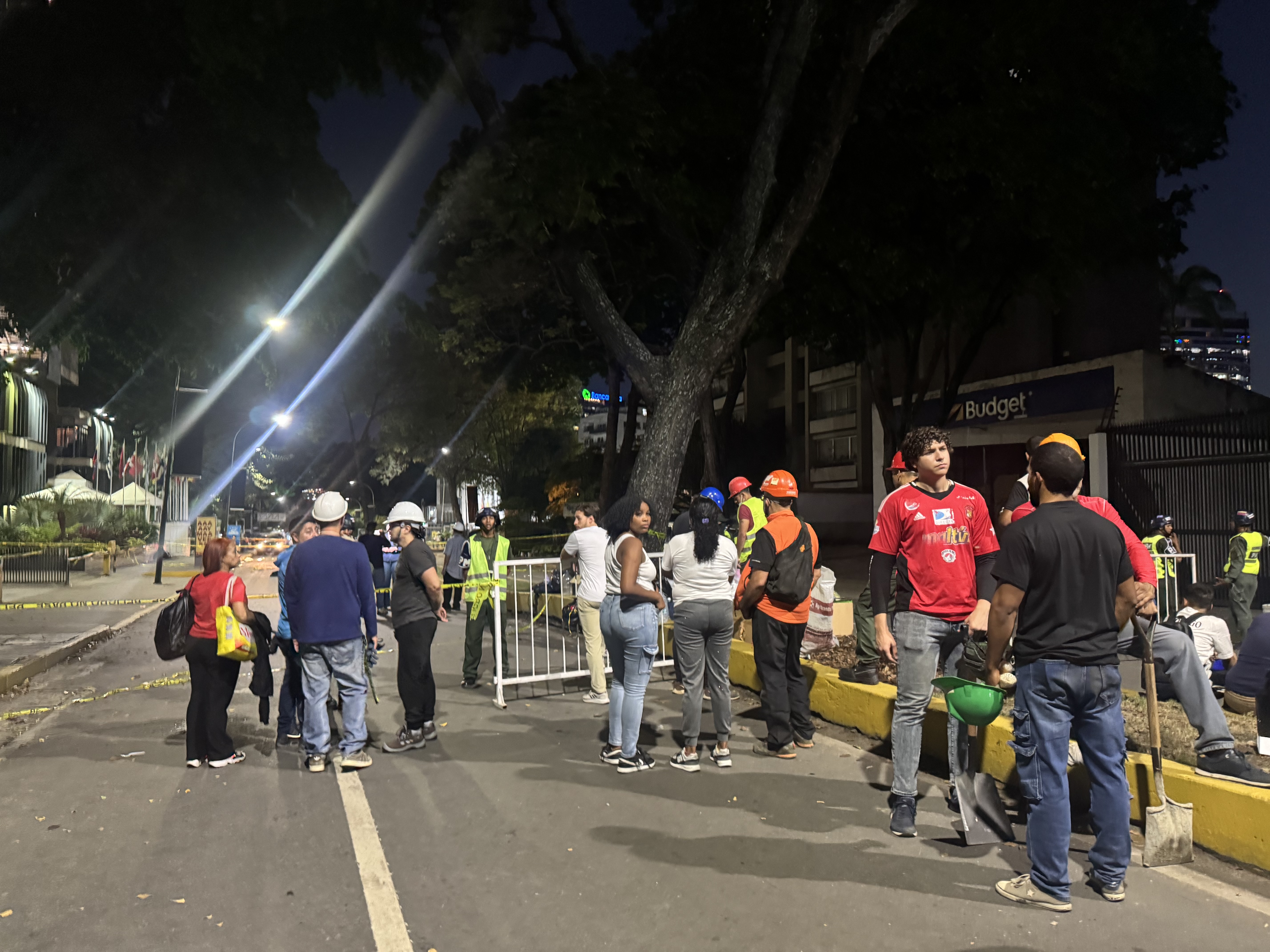
Los Palos Grandes, Caracas, Venezuela, June 2026
There are moments that remind us how fragile our routines really are.
Only a few days ago, Venezuela experienced one of the strongest earthquakes in its recent history. In a matter of seconds, homes collapsed, entire communities were shaken, and thousands of families suddenly found themselves facing uncertainty. Lives were lost. Many others changed forever.
Working in the humanitarian sector means that events like these are never simply headlines.
Very quickly, days became filled with coordination meetings, situation reports, assessments, phone calls, and countless conversations with humanitarian partners. Information evolved by the hour. New needs emerged. Priorities shifted constantly. Decisions had to be taken quickly, often with incomplete information. It has been an intense, demanding, and emotionally draining period.
Yet, looking back over these days, I realise that what will remain with me are not the statistics.
I will remember the people.
The families who, despite unimaginable loss, welcomed those coming to help with remarkable dignity.
The neighbours who became first responders long before organised assistance arrived.
The volunteers who simply stepped forward because someone needed them.
The firefighters, Civil Protection teams, doctors, nurses, engineers, police officers, military personnel, municipal workers, and countless others who have worked day and night under extremely difficult conditions. Many have barely stopped since the earth first began to shake. Their professionalism, determination, and courage deserve the greatest respect.
What has perhaps moved me most has been seeing how many ordinary Venezuelans simply took responsibility into their own hands.
One example is my dear friend Giovanni. As the emergency unfolded, he volunteered to serve on an ambulance, spending long hours transporting injured people and supporting emergency medical teams. Nobody asked him to do it. He simply felt that, at a moment like this, he could help.
There are undoubtedly thousands of similar stories across the country. People donating blood. Preparing meals for rescue workers. Opening their homes to neighbours. Clearing debris. Comforting complete strangers. Quiet acts of kindness that rarely appear in newspapers or television reports.
And yet, they are perhaps among the most extraordinary parts of this response.
I also want to pay tribute to the humanitarian community. Venezuelan organisations, local volunteers, the Red Cross Movement, United Nations agencies, international NGOs, faith-based organisations, and many others mobilised rapidly, each contributing in different ways but united by a common purpose: helping people survive, recover, and begin rebuilding their lives.
International solidarity has been equally inspiring.
Specialised rescue teams travelled from neighbouring countries and from much further away, bringing expertise, equipment, and experience. Among them were European teams working side by side with Venezuelan responders, demonstrating once again that humanitarian solidarity knows no borders.
Just before sitting down to write these reflections, I read the news that a child had been rescued alive from beneath the rubble by a Spanish urban search and rescue team more than seventy-two hours after the earthquake.
Seventy-two hours.
For anyone involved in emergency response, those numbers carry enormous significance. They remind us why rescue teams continue searching long after many have begun to lose hope. Every hour matters. Every voice heard beneath collapsed concrete matters. Every life saved is extraordinary.
Reading that news filled me with immense admiration—for the rescuers who refused to give up, and for the extraordinary resilience of a child who kept fighting to survive.
Throughout my humanitarian career, I have often thought that disasters reveal two realities at exactly the same time.
They reveal how vulnerable we are.
But they also reveal how extraordinary people can be.
This earthquake has arrived during my final weeks in Venezuela. Soon, I will leave for my next assignment, carrying with me memories of this beautiful and complex country. I could never have imagined that one of my final experiences here would be witnessing such a tragic event, while at the same time seeing such an extraordinary demonstration of solidarity.
Venezuela has taught me many lessons over the years.
Resilience is certainly one of them.
To my Venezuelan friends, colleagues, neighbours, and above all to the families directly affected by this tragedy: you remain very much in my thoughts.
The road to recovery will be long.
Buildings will be rebuilt. Roads repaired. Schools reopened. Services restored.
The invisible wounds will take longer to heal.
But if these past days have shown anything, it is that compassion spreads just as quickly as despair. That solidarity is stronger than fear. And that, even in humanity’s darkest moments, there are always people willing to dedicate their strength, their knowledge, and sometimes even risk their own lives for someone they have never met.
For me, that is what this earthquake will always represent.
Not only the power of nature.
But the even greater power of humanity.

June 2026
May 2026
April 2026
March 2026
February 2026
January 2026
December 2025
November 2025
October 2025
September 2025
August 2025
July 2025
June 2025
May 2025
April 2025
March 2025
February 2025
January 2025
December 2024
November 2024
October 2024
September 2024
August 2024
July 2024
June 2024
May 2024
April 2024
March 2024
February 2024
January 2024
December 2023
November 2023
October 2023
September 2023
August 2023
July 2023
June 2023
May 2023
April 2023
March 2023
February 2023
January 2023
December 2022
November 2022
October 2022
September 2022
August 2022
July 2022
June 2022
May 2022
April 2022
March 2022
February 2022
January 2022
December 2021
November 2021
October 2021
September 2021
August 2021
July 2021
June 2021
May 2021
April 2021
March 2021
February 2021
January 2021
December 2020
November 2020
October 2020
September 2020
August 2020
July 2020
June 2020
May 2020
April 2020
March 2020
February 2020
January 2020
December 2019
November 2019
October 2019
September 2019
August 2019
July 2019
June 2019
May 2019
April 2019
March 2019
February 2019
January 2019
December 2018
November 2018