Hope Among the Rubble 🇻🇪
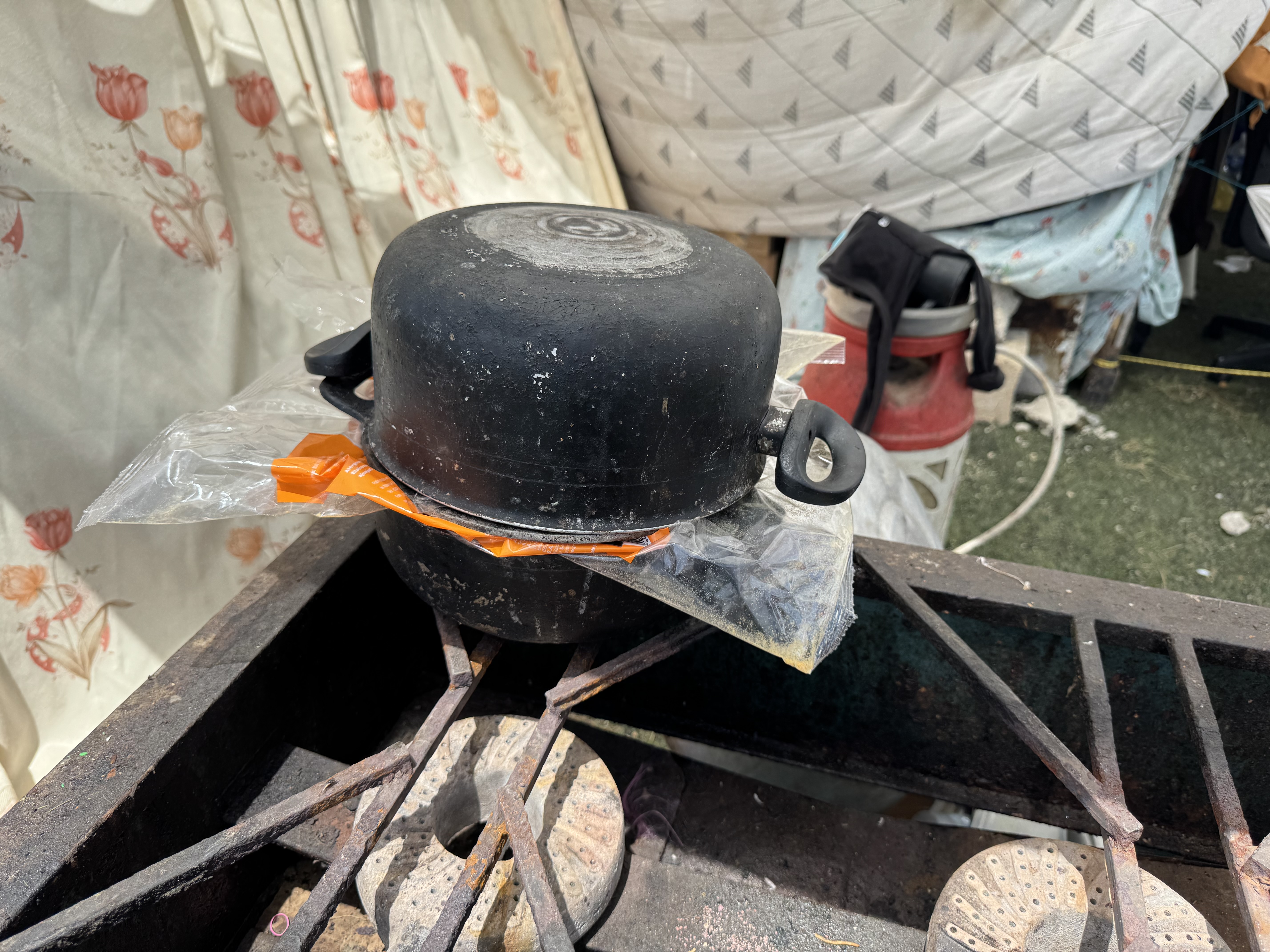
At the Transition Camp, La Guaira, Venezuela, July 2026
Venezuela, June–July 2026
There are journeys we choose.
And there are journeys that begin because nature suddenly changes the lives of hundreds of thousands of people.
This album documents those days.
In June 2026, a powerful earthquake struck north-central Venezuela, leaving entire neighbourhoods damaged or destroyed, particularly in La Guaira, but also affecting parts of Caracas and neighbouring states. Within minutes, ordinary life was interrupted. Families lost homes. Roads collapsed. Schools, health centres and public buildings were damaged. Entire communities suddenly found themselves sleeping outdoors, uncertain what the following days would bring.
For me, these photographs are not simply a record of an emergency operation.
They are a tribute to the remarkable resilience of the Venezuelan people.
In the days that followed, I had the privilege of witnessing one of the most inspiring aspects of humanitarian work: people coming together.
National authorities, firefighters, civil protection teams, volunteers, international search and rescue specialists, humanitarian organisations, United Nations agencies, the Red Cross, community leaders and neighbours all worked side by side.
The Emergency Response Coordination Centre became a place where decisions were made rapidly, information constantly updated, and countless organisations attempted to transform uncertainty into coordinated action.
Beyond the meeting rooms, the real work unfolded in the streets.
Many of the photographs show temporary shelters established and managed by humanitarian partners, both Venezuelan and international.
Families tried to recreate a sense of normality beneath tents and temporary structures. Children continued playing. Volunteers organised activities, distributed food, water and hygiene kits, while health workers, protection specialists and engineers quietly carried out their work.
Displacement camps are rarely places anyone wishes to remember.
Yet they also become places where humanity reveals itself at its strongest.
Neighbours caring for neighbours.
Parents trying to reassure frightened children.
Volunteers working long after exhaustion should have overtaken them.
Other images capture the scale of destruction.
Collapsed buildings.
Cracked roads.
Entire neighbourhoods transformed in a matter of seconds.
Particularly moving are the scenes from La Guaira, where the earthquake left visible scars across communities already accustomed to living between mountains and the sea. Looking at these photographs today, it is impossible not to think about how quickly certainty can disappear.
Nature reminds us, from time to time, that all human plans remain fragile.
Yet destruction is only one part of this story.
The other part is resilience.
Again and again, I met people who had lost almost everything but still found the strength to smile, to help one another, to clean debris from streets, to prepare meals for neighbours, to organise communities, to rebuild.
These photographs cannot fully capture that spirit.
But they offer glimpses of it.
Humanitarian work often happens quietly.
It is made up of thousands of conversations, assessments, meetings, distributions, technical decisions, logistics plans and moments that rarely appear in newspapers. Behind every visible action stand hundreds of people — many of them local staff and volunteers — whose names are seldom known outside the communities they serve.
This album is also a tribute to them.
To colleagues from Venezuelan organisations.
To United Nations agencies.
To international and national NGOs.
To European Civil Protection teams.
To rescue workers.
To health personnel.
To engineers.
To logisticians.
To drivers.
To cooks.
To everyone who chose service over comfort during those difficult weeks.
Looking back now, I remember not only the destruction, but also the extraordinary dignity with which so many Venezuelans faced those days.
The earthquake changed landscapes.
It damaged buildings.
It disrupted lives.
But it never succeeded in breaking the generosity, solidarity and quiet courage of the people I met.
And perhaps that is what I hope these photographs preserve above all else.
Not only the memory of what was lost.
But also the remarkable strength with which people chose to begin again.
Click here to access the album.
Beyond the Atlas, Beside the Sea 🇵🇱🇪🇺🇲🇦
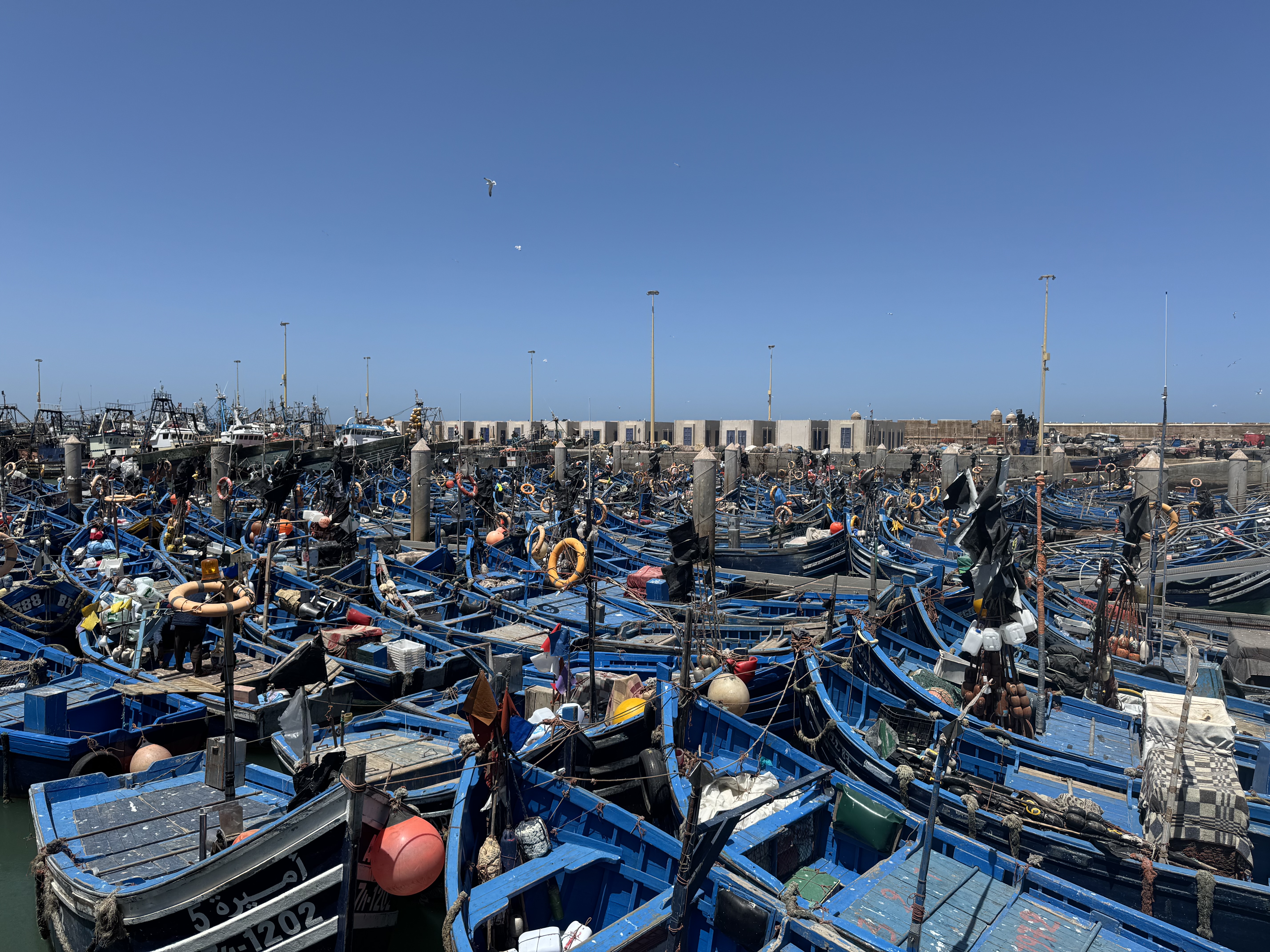
Essaouira, Morocco, June 2026
After returning from Canada, Mum and I spent a day in Warsaw before setting off once again. It was one of those pleasant pauses between journeys: a sunny day in the Polish capital, still full of memories from Canada, conversations about Tahir, Amna and little Hania, and anticipation for what awaited us next.
Ahead lay Morocco.
The flight from Warsaw to Agadir was smooth and uneventful, carrying us from the green landscapes of Central Europe to the warm Atlantic coast of North Africa. As the aircraft descended over southern Morocco, the colours below changed dramatically. The greens gave way to ochres, browns, and the soft blues of the ocean stretching endlessly along the shoreline.
For the following week, Agadir became our home.
Unlike many historic Moroccan cities, Agadir is a place shaped by renewal. The devastating earthquake of 1960 destroyed much of the old city, and what visitors see today is largely the result of reconstruction and resilience. Modern and spacious, it combines long beaches, palm-lined boulevards, fishing traditions, and a relaxed atmosphere that makes it particularly welcoming.
Our hotel stood close to the beach, and many mornings and evenings were spent simply walking along the broad promenade. The Atlantic was never far away. Sometimes calm, sometimes wild, it accompanied the city with a constant rhythm.
We explored Agadir slowly.
We visited the reconstructed Medina, wandered through the lively souk, and climbed to the old Kasbah overlooking the city. From there, the views stretched across the bay, the modern city, the fishing port, and the distant mountains. Standing above Agadir, it was easy to appreciate both the beauty of the landscape and the remarkable story of a city rebuilt from tragedy.
One of the pleasures of travelling is conversation, and Agadir offered many opportunities for it. Shopkeepers, guides, restaurant staff, and ordinary residents were often eager to talk. Through these conversations we learned more about local life, the region’s history, and the importance of agriculture, tourism, fishing, and particularly argan oil, which has become one of Morocco’s most famous exports. Produced almost exclusively in this region, argan oil supports thousands of local families and has become known worldwide for both culinary and cosmetic uses.
Naturally, we also experienced a traditional hammam. For Mum, it became one of the highlights of the trip. The combination of steam, warmth, scrubbing, and relaxation left us both feeling refreshed and wonderfully pampered.
One evening, our travel agency organised a cultural and culinary event that proved particularly memorable. There was music, traditional dances, horse displays, stories about Morocco’s Arab and Amazigh (Berber) heritage, and a feast of local dishes. It was an evening filled with colour, movement, and hospitality, offering a glimpse into the rich cultural tapestry that has shaped Morocco over centuries.
Beyond Agadir, we ventured further afield.
One excursion took us to Marrakech. Few cities announce themselves quite like Marrakech. The old city seemed to vibrate with energy. The narrow streets, crowded souks, historic palaces, and bustling squares created a sensory experience unlike anywhere else I have visited. Every corner seemed to offer another surprise: spices piled high in vibrant colours, craftsmen at work, hidden courtyards, and centuries of history woven into daily life.
A second excursion led us north to Essaouira, a city entirely different in character. While Marrakech feels intense and vibrant, Essaouira moves to the rhythm of the ocean. Its white walls and blue shutters, fortified ramparts, fishing harbour, and artistic spirit create an atmosphere that is both relaxed and deeply attractive.
The journey to Essaouira itself was part of the experience. Travelling by coach with fellow Polish holidaymakers, we passed village after village, watching everyday Moroccan life unfold through the window. Markets, farms, roadside cafés, mosques, and children walking home from school created an ever-changing panorama. At one point we stopped in a colourful village where vivid walls and local crafts added even more colour to an already beautiful day.
I found myself enjoying these moments almost as much as the destinations themselves. There is something deeply satisfying about watching a country reveal itself gradually through its roads, landscapes, and ordinary daily life.
As our week drew to a close, I found myself reflecting on how much we had seen and experienced in a relatively short time. Morocco had offered us magnificent scenery, fascinating history, generous hospitality, excellent food, and countless opportunities to learn.
Most importantly, it had given Mum and me another adventure together.
Now, as I pack my suitcase and prepare to fly back to Warsaw, I find myself thinking not only about the places we visited, but also about the privilege of sharing these journeys with her. The beaches of Agadir, the colours of Marrakech, the sea breezes of Essaouira, the conversations, the meals, and the laughter have all become part of a collection of memories that will stay with us long after the journey itself ends.
I leave Morocco with gratitude, curiosity, and a quiet certainty that I would very much like to return one day.
Click here to access the album.
Spring Lights Over The Vistula 🇵🇱🇪🇺
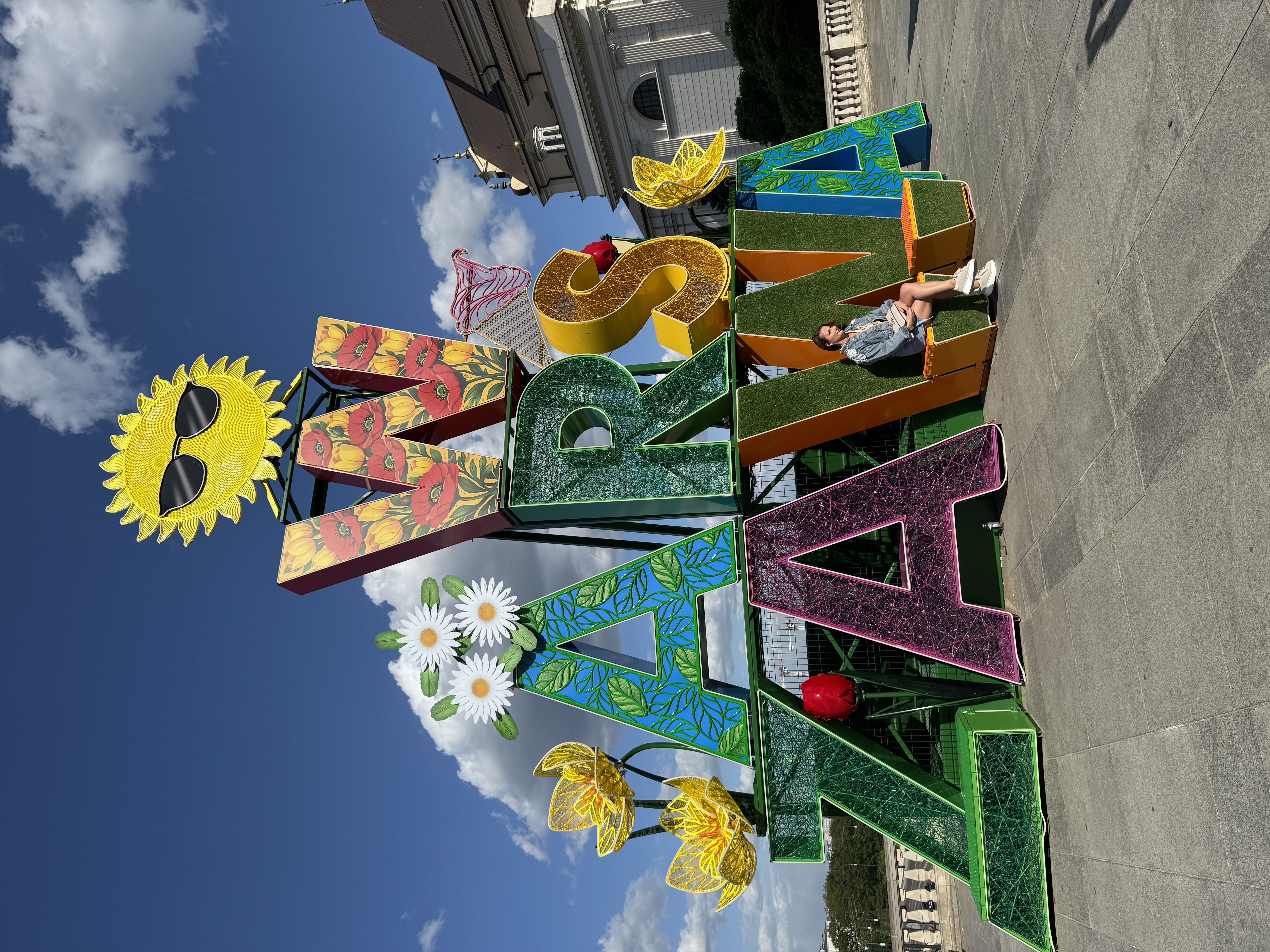
The Old Town, Warsaw, Poland, May 2026
Between Canada and Morocco, there was Warsaw.
Not as a final destination, and not merely as a stopover either, but as one of those in-between pauses that unexpectedly gather their own meaning. After returning from Toronto, before continuing onward toward North Africa, Mum and I spent a day in the Polish capital — walking slowly, resting a little, allowing ourselves to simply be present in the city.
Warsaw greeted us with warmth and movement.
The city always fascinates me because it exists simultaneously in several different centuries. Glass skyscrapers rise where ruins once stood. Carefully reconstructed streets sit beside modern boulevards filled with trams, cafés, offices, and crowds flowing constantly in every direction. Few places in Europe embody reinvention quite like Warsaw.
Glass, steel, and memory
We spent part of the day walking among the skyscrapers of central Warsaw.
The skyline has changed dramatically over the past decades. Towers of glass and steel now dominate parts of the city that, during communism, felt grey, restrained, almost suspended in time. Today, the centre pulses with confidence and ambition. International companies, hotels, restaurants, and apartment towers stretch upward into the spring sky, giving Warsaw an energy that often surprises those visiting for the first time.
And yet even here, history is never absent.
The massive silhouette of the Palace of Culture and Science, controversial and iconic at the same time, still watches over the city. Gifted by Stalin in the 1950s, once hated by many as a symbol of Soviet domination, it has gradually become woven into Warsaw’s identity — not loved by everyone perhaps, but impossible to imagine the city without.
Warsaw often feels like that: complex, layered, unwilling to fit neatly into simple narratives.
The Old Town
Later, we wandered through the Warsaw Old Town.
To walk there is to walk through both history and reconstruction. Almost completely destroyed during the Second World War after the Warsaw Uprising, the Old Town was rebuilt painstakingly, stone by stone, using paintings, photographs, and memory itself as guides. Today it stands not only as a beautiful district, but as a monument to resilience and cultural survival.
The pastel façades glowed softly in the afternoon light.
Tourists moved between cafés and narrow streets. Church bells echoed occasionally through the square. Artists sold paintings beside old walls. There was life everywhere — not theatrical, simply lived.
Walking there with Mum felt especially meaningful. There is something deeply comforting about sharing familiar places quietly, without needing to explain them.
Beside the Vistula
Toward evening, we made our way to the Vistula River.
The river has become one of Warsaw’s great social spaces in recent years. Paths stretch along the embankments, cafés and bars open toward the water, cyclists and runners pass constantly, and people gather simply to sit and watch the light change over the city.
The Vistula itself feels different from many European rivers.
It remains slightly wild, less controlled, less polished. Sandbanks still appear naturally along its course. Birds move across the water. Even in the centre of the capital, there is a sense that nature continues negotiating space with the city rather than fully surrendering to it.
We sat there for a long time.
The evening light softened the skyline. Conversations drifted around us. Boats moved slowly across the river. After so much recent movement — Caracas, Lisbon, Warsaw, Toronto, Prince Edward County — the stillness of that moment felt unexpectedly important.
Time with Mum
More than anything, this album is about time with Mum.
Not dramatic moments. Not grand events. Simply shared space, conversations, meals, walking together through places both familiar and changing.
As life moves faster and journeys become increasingly frequent, these quieter days acquire greater value. They remind me that travel is not always about discovery. Sometimes it is about companionship — about experiencing places through the calm presence of someone who has shared your story from the very beginning.
Before the next horizon
Soon Morocco awaited.
Another airport. Another flight. Another landscape entirely different from the ones we had just left behind.
But Warsaw provided an important pause between those worlds — a day of spring light, river air, old streets, modern towers, and quiet family closeness before the journey continued onward once again.
And perhaps that is what travel increasingly means to me now:
Not escaping life, but moving more attentively through it.
Click here to access the album.
Across Ontario and Beyond 🇵🇱🇪🇺🇨🇦
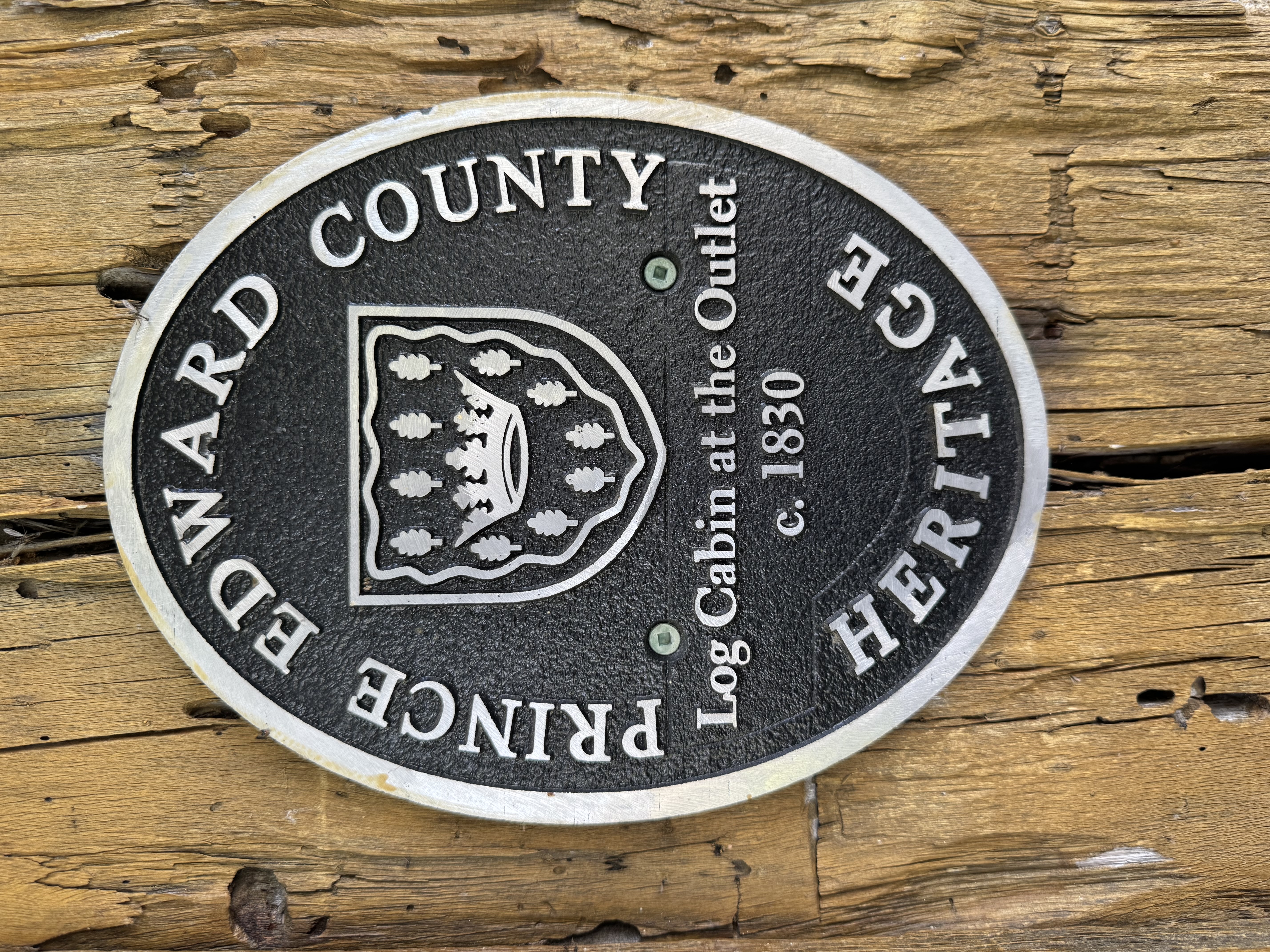
Picton, Prince Edward County, Ontario, Canada, May 2026
A family journey through Canada
This journey began in Nowy Sącz, with suitcases open once again and that familiar mixture of excitement and gentle travel anxiety that always accompanies long journeys across continents.
This time, however, the trip felt especially joyful, because Mum and I were travelling to Canada to visit Tahir and his family — Amna and little Hania — after many months apart. There is something profoundly comforting about journeys centred not around work or obligation, but around people you care about deeply.
From Nowy Sącz we travelled first to Kraków, and then onward to Warsaw, where we spent several relaxed hours waiting for our flight to Canada. Airports are often places people rush through without memory, but sometimes they become part of the story themselves. We had a surprisingly wonderful lunch there, accompanied by wine and long conversations, watching aircraft move slowly beyond the windows while quietly realising that another adventure was beginning.
Then came the long flight westward across the Atlantic.
Toronto — the first breath of Canada
Arriving in Toronto always carries a particular feeling for me. Canada was one of the countries that profoundly shaped my understanding of the world when I first travelled there many years ago as a student. Returning now, older and carrying many more stories, felt both nostalgic and strangely calming.
We stayed one night in Toronto before continuing eastward with Tahir and his family toward Prince Edward County.
The drive itself became part of the pleasure.
Ontario unfolded gradually through wide roads, forests, lakes, small towns, barns, vineyards, and endless skies. Canadian space always affects me emotionally. Coming from Europe — and more recently from Venezuela — the sheer openness of the landscape feels almost meditative.
Picton and Prince Edward County
For several days, we stayed in Picton, the heart of Prince Edward County.
The County has transformed itself over recent decades into one of Ontario’s most beloved regions — known for wineries, lakeside villages, beaches, art galleries, and local food, while still retaining something wonderfully gentle and unpretentious.
Life there felt beautifully simple.
Morning coffees. Walks through peaceful streets. Time with Tahir, Amna, and Hania. Watching Hania discover the world with the seriousness and joy only small children possess. Shared meals stretching long into the evening.
One of the greatest pleasures of the stay was reuniting with my Canadian friends, Paula and Ruth, whom I have known for many years through humanitarian work. Seeing old friendships continue naturally across continents and decades always feels deeply moving to me. Their children brought even more warmth and life to the gatherings, reminding me how friendships themselves evolve and grow through time.
The Long Sault Parkway
One day, we set off for the Long Sault Parkway, one of the most unexpectedly peaceful landscapes of the journey.
The scenic route stretches across a chain of eleven islands along the St. Lawrence River, connecting parks, waterways, forests, picnic areas, and small beaches. The road itself feels almost suspended between land and water.
Driving there was wonderfully calming.
Blue sky reflected across the river. Boats moving slowly in the distance. Families cycling or fishing quietly along the shoreline. The islands themselves emerged from one of Canada’s largest engineering projects — the creation of the St. Lawrence Seaway in the 1950s, which dramatically reshaped the landscape and submerged entire villages beneath the river.
Knowing this history added another layer to the beauty. Beneath the calm surface of the water lie memories of communities that disappeared to make way for modernity.
Canada often carries history quietly like that.
An extra day in Toronto
Originally, we had hoped to make a journey onward to Montreal to reconnect with distant relatives from my father’s family who emigrated from Poland many decades ago. In the end, however, plans changed — as they sometimes do during travel — and instead we stayed one additional day in Toronto before returning to Europe.
And perhaps that was exactly what we needed.
The extra day unfolded gently and without pressure. We wandered through parts of the city, enjoyed long meals, and simply absorbed the atmosphere of early summer in Toronto. The city felt vibrant but relaxed — full of people from every corner of the world, languages mixing effortlessly in the streets, terraces alive with conversation.
Toronto has always fascinated me for that reason.
It is not a city defined by one identity, but by coexistence itself. Entire worlds existing beside one another — Caribbean, South Asian, Chinese, Middle Eastern, European, Latin American — all woven into the fabric of daily life.
Spending that final day there felt like a soft landing before the long journey back.
Returning east
Eventually, it was time to leave.
We returned to the airport carrying gifts, photographs, memories, and that quiet tiredness that follows good journeys. The flight back to Warsaw felt calmer somehow, as if the trip itself had settled something internally.
Back in Poland, this Canadian chapter of the holiday came to an end.
But not the adventure itself.
Ahead still waited another journey: Morocco.
What remains
This trip to Canada was not built around dramatic landmarks or grand ambitions.
It was built around people.
Family. Friendship. Shared meals. Long drives. Lakes and rivers. Quiet conversations. The comfort of being welcomed into homes and lives across continents.
And perhaps that is why it feels so meaningful now.
Canada, once again, reminded me that some of the most important journeys are not about movement at all, but about connection — about the rare and beautiful experience of feeling at home, even very far from where you began.
Click here to view the album.
Between Departures 🇵🇹🇵🇱🇪🇺
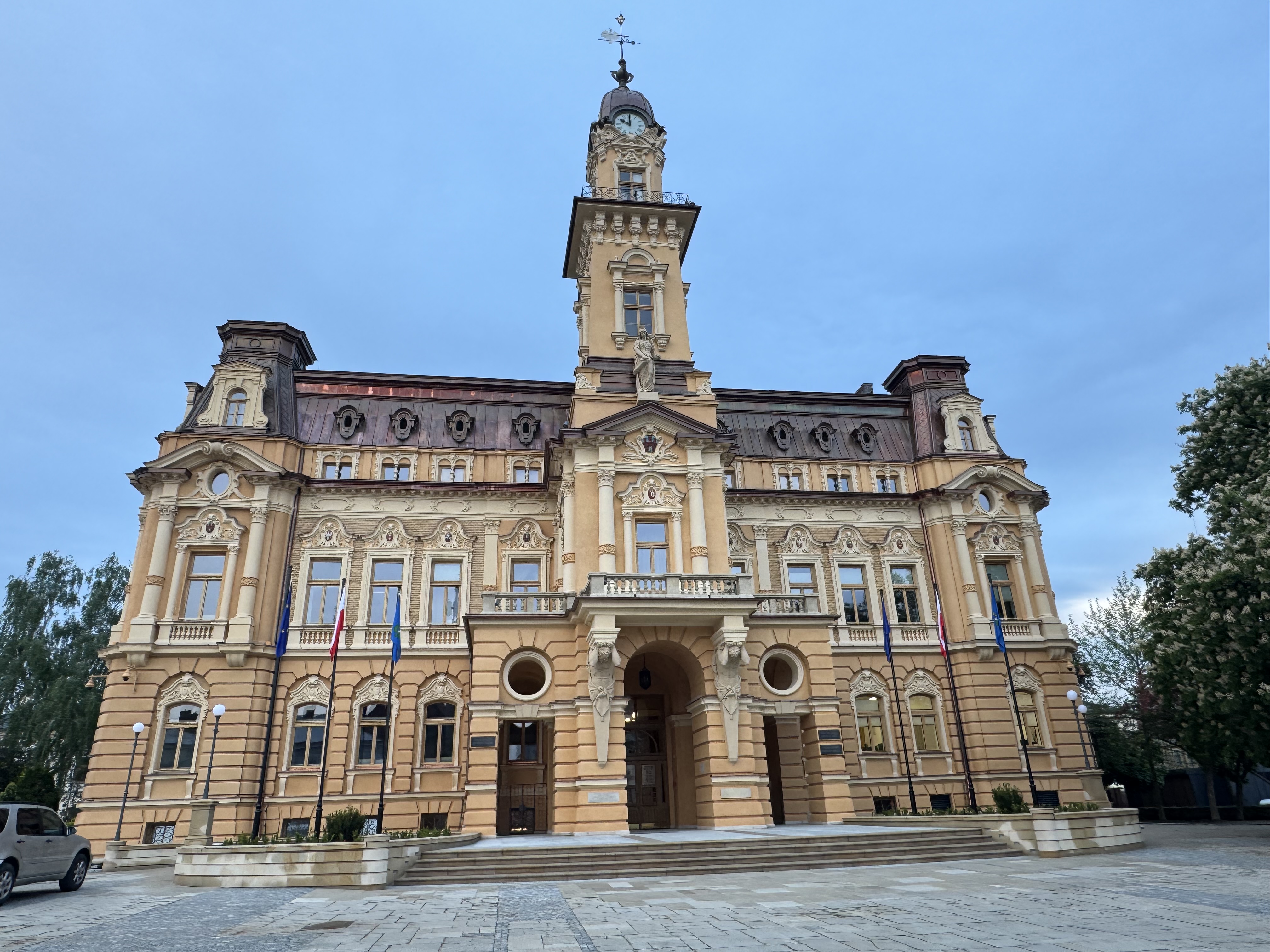
The Town Hall of Nowy Sącz, Poland, May 2026
I am in Nowy Sącz again.
And somehow, no matter how many times I return, there is always a moment — usually just after arriving — when everything inside me slows down slightly. The familiar outline of the hills surrounding the city. The gentler rhythm of the streets. The softer light of southern Poland in spring. It feels less like arriving somewhere and more like stepping quietly back into a part of myself that never fully leaves.
This journey began far away, in Caracas.
Leaving Venezuela behind, even temporarily, no longer feels like a simple act of travel. After years there, departures carry weight. Faces remain in the mind. Conversations linger unfinished. Streets, cafés, routines, mountains, tropical evenings — they continue travelling with me long after the aircraft doors close.
The route itself felt like one of those long transitional corridors between worlds.
Lisbon — suspended between continents
The first pause came at Lisbon Airport.
There is something strangely beautiful about airports in the early morning. The half-silence of travellers suspended between exhaustion and anticipation. Departure boards glowing softly against dark windows. The smell of coffee stronger than usual. Snatches of languages mixing together in passing.
Outside, dawn slowly began to colour the Atlantic sky.
Then came the flight to Warsaw — one of those departures where you watch Europe gradually reassemble itself beneath the aircraft window. Portugal fading behind clouds. Central Europe emerging below in softer greens and greys.
And despite the tiredness, I felt something simple and profound:
I was happy to be going home.
Warsaw beneath grey skies
Landing in Warsaw always affects me emotionally.
Perhaps because Warsaw embodies so much of Poland’s own story — destruction and rebuilding, memory and reinvention. Few European capitals carry their history so visibly beneath modern life. Entire districts rebuilt from ashes. Glass towers rising beside reconstructed facades that themselves are acts of remembrance.
This time, however, Warsaw was only a temporary harbour.
I stayed overnight near the airport. Outside, May had arrived hesitantly — grey skies, soft rain, fresh air carrying that unmistakable scent of Polish spring after winter has finally loosened its grip.
I remember looking out of the hotel window and feeling strangely peaceful.
Not excited.
Not dramatic.
Simply content to be back in my own country.
Southward
The journey to Nowy Sącz always feels deeply personal.
As the roads and railways move south, the landscapes begin to change almost imperceptibly. Flatness gives way to hills. Villages appear more frequently. Church towers emerge above trees. Rivers begin accompanying the roads.
The closer I get to Nowy Sącz, the more memory itself seems to enter the landscape.
There are places in life that become internal geography.
For me, this is one of them.
The Rynek
The old town looked beautiful.
Walking through the Rynek, I found myself admiring once again the beautifully restored Ratusz — the Town Hall standing proudly at the centre of the square. Built originally in the late nineteenth century, it survived wars, occupations, political transitions, and the often chaotic transformations of post-communist Poland. Today, restored carefully and illuminated softly in the evenings, it feels both elegant and grounded.
Around it, life unfolded calmly.
People drinking coffee outside cafés. Elderly couples walking slowly across the square. Children running near the fountain. The ordinary choreography of a Polish spring afternoon.
There is something deeply comforting in places that continue living without needing to reinvent themselves constantly.
Nowy Sącz has changed enormously during my lifetime — economically, culturally, architecturally — and yet beneath it all, its emotional rhythm remains recognisable to me.
A day by the Poprad
Today brought one of those unexpectedly perfect spring days.
Warm sunlight. Deep blue sky. Fresh greenery almost glowing after recent rain.
We drove to Rytro, in the valley of the Poprad River, where the river cuts through the Beskid Sądecki mountains in long silver curves before continuing northward toward the Dunajec.
The Poprad valley has always carried a particular beauty — gentler than the dramatic Tatras, but deeply peaceful. Forested hills descending toward riverside villages. Wooden houses. Small churches. Trains occasionally appearing beside the river and disappearing again into trees.
We had lunch at Willa Poprad, beside the flowing water.
The whole scene felt almost impossibly calm.
The sound of the river accompanied everything. Sunlight flickered across leaves. Families sat outside enjoying the warmth. Somewhere nearby, children laughed. The mountains stood quietly in the distance, not imposing themselves, simply present — as they have always been.
Moments like this feel small while they happen.
And yet later they become the ones we remember most clearly.
Packing again
Now I am back home.
Suitcases are open once more across the room. Clothes folded into temporary order. Documents checked. Chargers untangled. The strange ritual of preparing once again to leave.
Tomorrow or the next day, we continue onward — this time with Mum — travelling through Kraków and Warsaw toward Canada, where Tahir, Amna, and little Hania are waiting for us.
We are both genuinely excited.
There is something profoundly joyful about journeys built around people rather than obligation. No missions. No reports. No coordination meetings. Just family, conversation, shared meals, long drives, and time together.
There will be separate albums from Canada.
And later, from Morocco too.
But this album belongs to something quieter.
To airports at dawn.
To grey skies over Warsaw.
To spring sunlight beside the Poprad River.
To the tenderness of returning home briefly before setting out once again.
Life sometimes feels like an endless sequence of arrivals and departures.
But perhaps happiness lies not in choosing between them — only in learning how to carry both gently.
Click here to access the album.
Choroní and the Coast of Aragua 🇻🇪
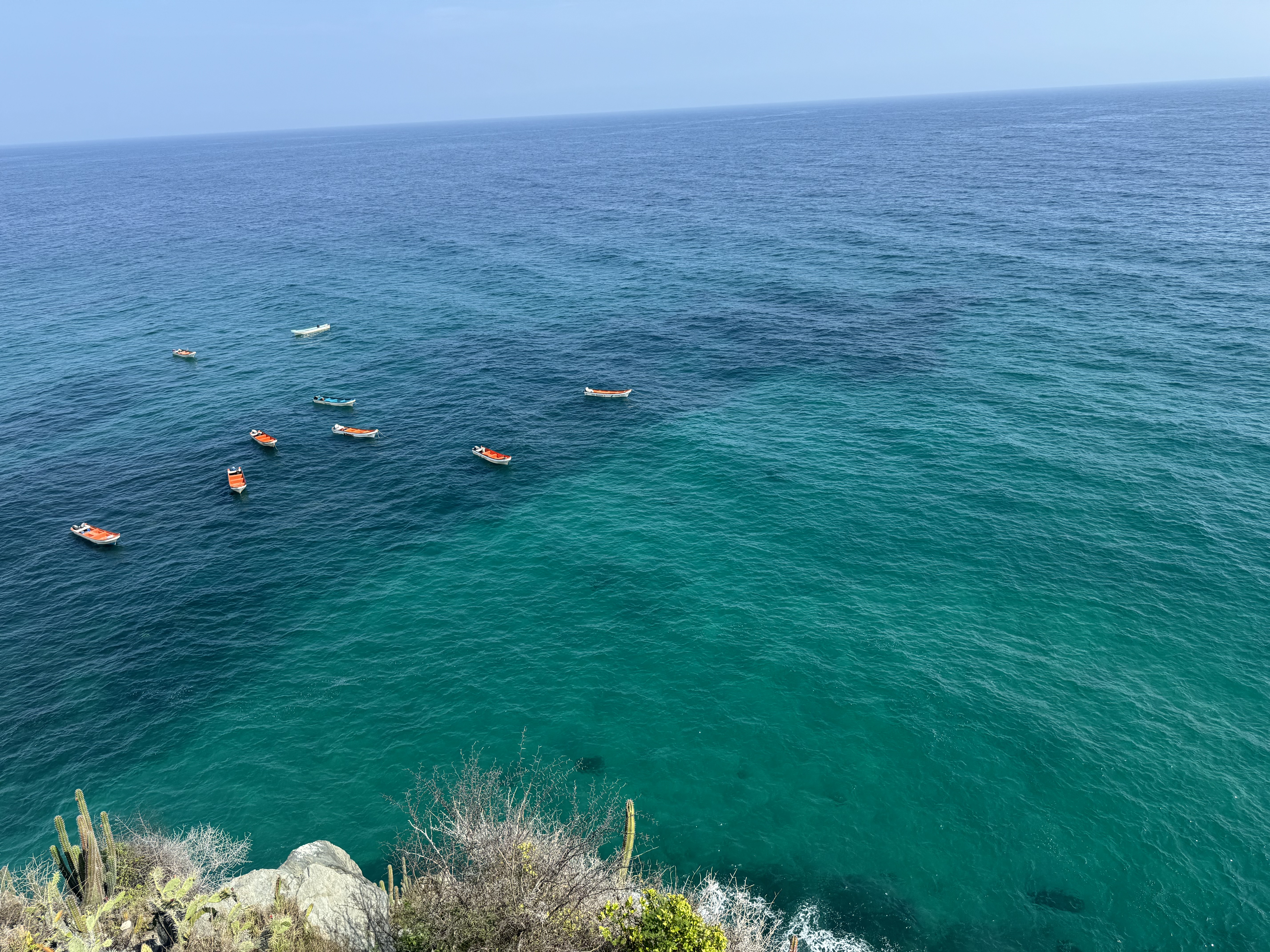
Puerto Colombia, Venezuela, April 2026
I have just returned from a long weekend in Choroní.
One of those trips that begins simply — a drive out of Caracas — and slowly unfolds into something much richer. It was made all the more special by travelling with Giovanni and his family, Mayling and Samantha. There is a particular warmth in sharing a journey like this, where the road itself becomes part of the experience, and every stop carries its own story.
From Caracas to the coast
We set off early, heading west toward Maracay, the gateway to the coast.
By the time we reached the city, hunger had settled in properly, and we stopped for what was meant to be a simple late lunch. It turned into something much more memorable — generous plates, flavours that lingered, the kind of meal that anchors a journey before it truly begins.
Then the road changed.
Leaving Maracay behind, we began the climb through Henri Pittier National Park, the oldest national park in Venezuela, established in 1937 to protect its extraordinary ecosystems. The road twisted and turned, narrow and patient, rising into cloud forest and descending again toward the sea.
This part felt almost unreal.
Bamboo rose high on either side, forming natural tunnels. Dense jungle pressed close to the road — layers of green upon green, alive with movement even when still. Mist hovered in places, light filtered through leaves in unexpected ways. It is one of those landscapes that does not need to announce itself; it simply surrounds you completely.
The descent toward the coast was sudden and beautiful — mountains opening, glimpses of the Caribbean appearing between trees.
Puerto Colombia — arrival by the sea
We reached Puerto Colombia in the late afternoon, just as the rhythm of the fishing village was shifting.
At the port, fishermen were returning.
Boats pulled in one by one, painted in bright colours, their engines cutting through the quiet. Nets were gathered, fish sorted, voices carried across the water. It was work, but it had a certain choreography to it — practiced, unspoken, passed down over generations. Fishing, alongside cacao and small-scale tourism, remains at the heart of life here.
We stood there for a while, simply watching.
Climbing above the town
The next morning began with exploration.
We walked through Puerto Colombia, then climbed toward the mirador, where the view opens suddenly — the ocean stretching outward, the mountains rising sharply behind, and the town held gently between them. It is a place defined by contrast: jungle and sea, isolation and openness, stillness and movement.
From above, everything felt balanced.
By boat along the coast
Later, we set off by boat — a small, fast fishing vessel cutting across the water.
The coastline revealed itself in fragments: hidden beaches, cliffs covered in dense vegetation, stretches of untouched sand that can only be reached this way. Much of this coast remains inaccessible by road, preserved by the geography of the mountains themselves.
Our first stop was Cepe.
Cepe felt almost suspended in time. The beach was wide, sunlit, nearly empty. The water carried that deep, inviting blue that makes you forget everything else for a while. There are places where you arrive, and without thinking, you slow down — this was one of them.
On the way back, we stopped in Chuao, a place that feels both remote and deeply rooted in history. Founded in the 17th century and surrounded by rainforest and sea, it is accessible only by boat, which has helped preserve its unique character.
Chuao is known for producing some of the finest cocoa in the world, cultivated here for over 400 years. Walking through the village, you feel that continuity — cocoa beans drying in the sun, the scent of fermentation, the quiet labour that transforms something simple into something extraordinary.
We explored the village in the back of a truck and on foot, moving between houses, plantations, and the beach. Lunch, naturally, was fish — fresh, simple, perfect for the setting.
Evening rhythms
Back in Puerto Colombia, the evening unfolded gently.
Small shops opened, music drifted through the streets, restaurants filled slowly. The village comes alive in its own way after sunset — not loud, not overwhelming, just present. Conversations linger, time stretches slightly, and the sea remains close, even when unseen.
The return
The next morning, we began the journey back.
Before leaving the coast, we stopped in Choroní, the historic village just inland, with its colourful houses and colonial roots dating back to the early Spanish settlements of the 17th century. Narrow streets, simple façades, a quiet sense of history — it felt like a place that has adapted without losing itself.
Crossing the mountains again, the jungle seemed even more vivid on the return.
We paused once more in Maracay, this time for a walk through Plaza Bolívar Maracay, and then for lunch at an Italian restaurant that felt almost indulgent after days by the sea. It was one of those meals where you realise how journeys carry contrasts — simplicity and comfort, sun and shade, movement and pause.
What stayed
This was not a long trip.
But it was full.
Of landscapes that felt almost unreal.
Of conversations that came easily.
Of places shaped by history, by labour, by patience.
Of small, quiet moments that stay longer than expected.
Choroní and the coast of Aragua do not try to impress.
They simply exist — intensely, beautifully, honestly.
And for a few days, that was more than enough.
Click here to access the album.
Apure: Back to the Field 🇻🇪
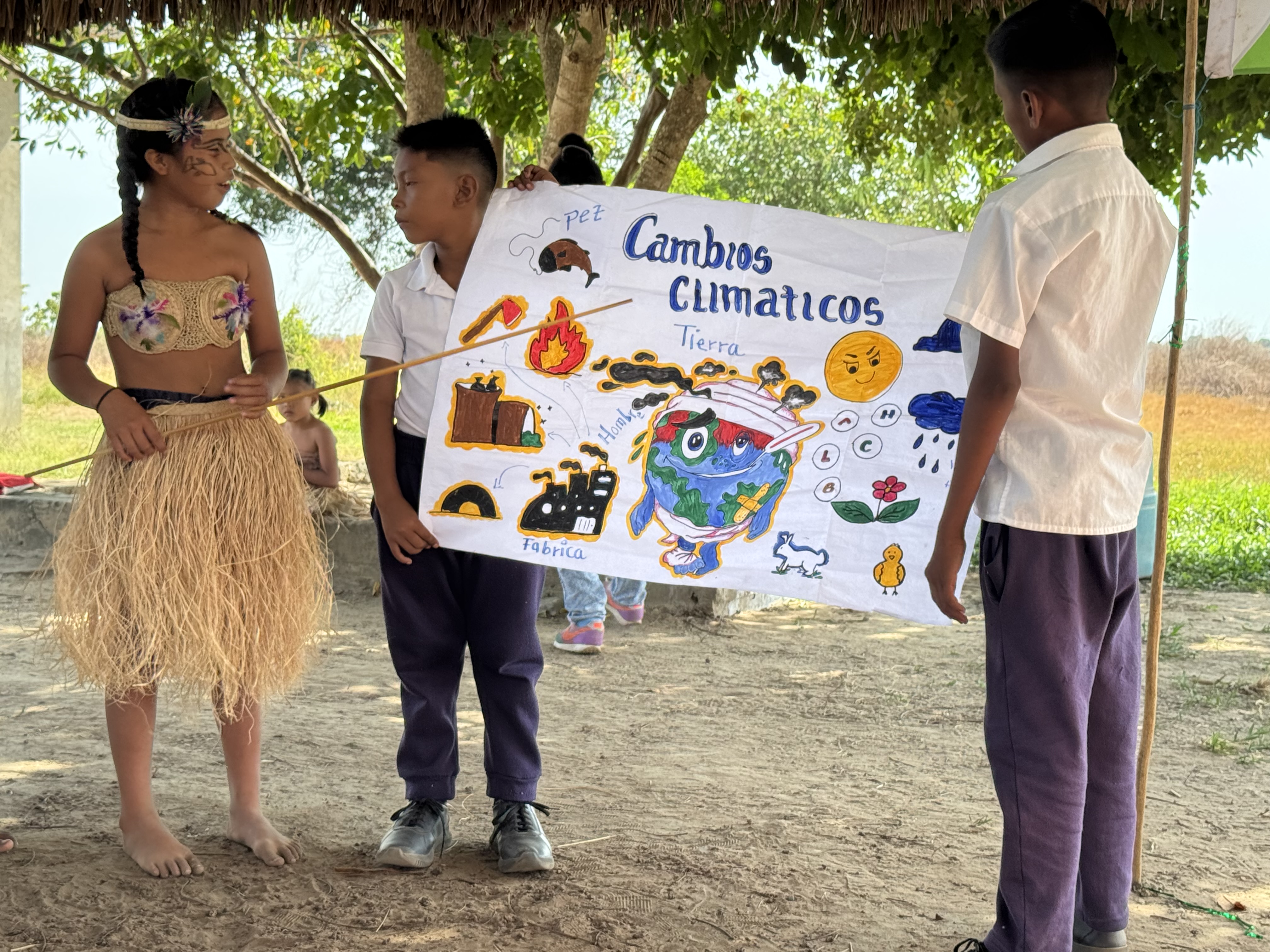
A Village Near Puerto Paez, Apure State, Venezuela, March 2026
At the end of March 2026, a small window opened.
After months of constraints and careful navigation, it finally became possible to travel again within Venezuela with a bit more flexibility from the authorities. It was a trip long anticipated — not for its destination alone, but for what it would allow: a return to the field, to places where work takes shape beyond documents and discussions.
The journey began in Caracas, early in the morning, heading south toward San Fernando de Apure. Hundreds of kilometres unfolded slowly, the city giving way to long stretches of open land. The plains extended wide and quiet, shaped by heat, distance, and time.
The landscape changed gradually.
Dry grasslands, scattered trees standing resilient under a strong sun, rivers appearing as calm interruptions in the vastness. In some areas, the effects of drought were visible — the earth tired, colours subdued. And yet, life continued. Always quietly, always persistently.
There were pauses along the way.
Stops for coffee in roadside places where time seems to move differently. Lunch taken in small towns, where conversations with colleagues stretched naturally beyond work — about the journey, about the country, about the people we would soon meet. These moments, simple as they are, become part of the understanding.
San Fernando was not the destination, but a point of departure.
From there, the road led deeper into the municipality of Pedro Camejo, toward places that are rarely visible on maps beyond the local level. La Macanilla, Puerto Páez, Belén de Cinaruco — names that carry weight for those who live there, and stories that unfold slowly for those who visit.
In La Macanilla, a school stood as a reminder that change can begin quietly. Spaces designed for protection and learning had been created within the school environment — places where children can express themselves, where music, tradition, and education come together. The presence of instruments, traditional clothing, and learning materials spoke not only of support, but of an effort to restore normality.
Further along, in Puerto Páez, conversations with local health authorities brought another layer of understanding. Services stretched across large distances. Needs that evolve faster than resources. Practical discussions, grounded in reality, shaped by daily constraints rather than theory.
Then to Belén de Cinaruco, where a school that once did not function now carries life again. From zero students to dozens within a year. Classrooms reopened. Teachers trained. Infrastructure restored — water through a newly drilled well, storage systems installed, sanitation improved, solar panels harnessing the same sun that defines the region. Even school gardens now grow, adding something essential yet often overlooked: diversity, nourishment, continuity.
Between these places, the road remained constant.
Long drives. Dust rising behind the vehicle. Occasional settlements. Children watching quietly as we passed. Houses that speak of resilience more than comfort. Indigenous communities living with the realities of distance, environmental pressure, and limited access to services — yet maintaining identity, structure, and presence.
Life here is not easy.
But it is not static either.
Across the communities visited, there are signs — sometimes small, sometimes more visible — that solutions are taking shape. Not perfect, not immediate, but real. Built through effort, through cooperation, through persistence.
Evenings in San Fernando brought reflection.
Notes reviewed. Observations shared. Conversations with colleagues continued — trying to make sense of what had been seen, what had been confirmed, what still requires attention. There is a particular clarity that comes from these exchanges after long days in the field.
And then, the road back to Caracas.
The same hundreds of kilometres, but no longer the same journey. What had been abstract now had faces, places, voices. The landscape, once observed, now felt known — even if only partially.
This gallery captures fragments of those days.
The long road south.
The plains of Apure.
La Macanilla. Puerto Páez. Belén de Cinaruco.
Moments of pause, conversation, observation.
A journey made possible by a small opening in access.
A return that mattered.
Because in places like these, impact does not arrive all at once.
It appears gradually — in reopened schools, in flowing water, in voices returning to classrooms.
Built step by step.
Across distance.
And carried back, kilometre by kilometre.
Click here to access the gallery.
Panama: Where Memory Walks Beside Me 🇵🇦

A View Over the Skyline of Panama City, Panama, January 2026
In January and February 2026, a small window opened.
Work in Caracas briefly loosened its grip, and I was able to step away for twelve precious days — just long enough to breathe differently, to walk without urgency, to let distance do its quiet work. I flew out of Venezuela and landed in Panama City, initially for a single night. Then onward to Lima and Montevideo. And finally, back again to Panama for two more days before returning to Caracas.
A simple route on paper.
A deeply meaningful one in practice.
Panama has never been just a stopover for me.
Casco Viejo, remembered
Much of this short stay unfolded in Casco Viejo, the historic heart of the city and a place that carries layers of memory for me. Narrow streets, worn balconies, pastel façades shaped by centuries of fire, collapse, rebuilding, and resilience. Founded in 1673 after the destruction of the original Panama City by pirates, Casco Viejo has always been a place of reinvention — Spanish colonial bones, French balconies, Caribbean rhythms, and modern life stitched together.
Walking there again felt quietly emotional.
I passed buildings where I once lived, streets I knew by heart during a previous posting. Cafés where mornings used to begin slowly. Corners that still seemed to remember me, even if only I felt it. Casco has a way of holding time gently — not erasing it, not clinging to it, simply allowing it to coexist.
The city beyond postcards
Panama City revealed itself again through movement.
I walked along Avenida Balboa, where the skyline meets the sea and the Pacific stretches wide and calm, ships waiting patiently in the distance. I wandered through Vía Argentina, lively and familiar, shaded by trees and filled with conversations, cafés, and the easy rhythm of neighbourhood life.
And I returned to Ciudad del Saber — the City of Knowledge — where I once worked, thought, planned, worried, hoped. Built on the grounds of the former Canal Zone, it remains a place devoted to ideas, cooperation, and long conversations about the world and how to make it slightly better. Being there again felt like opening an old notebook and recognising your own handwriting.
Friends, pauses, and softness
This visit was not about ticking places off a list.
It was about meeting friends, some old, some newer. About sitting down without rushing. About laughter, shared meals, stories retold and new ones started. About allowing myself to simply be — not on assignment, not in crisis mode, not counting hours.
Panama offered that generously.
A quiet closing
This album captures a gentle interlude between chapters — a moment suspended between Caracas and the journeys that followed, between past versions of myself and the one I am still becoming.
It was a return filled with gratitude.
A pause shaped by memory.
A reminder that some places never fully let go of you — and perhaps never should.
Panama remains one of those places for me.
Click here to access the album.

List to links of all albums available in 'Google Pictures'
June 2026
May 2026
April 2026
March 2026
February 2026
January 2026
December 2025
November 2025
May 2025
April 2025
March 2025
December 2024
November 2024
June 2024
May 2024
February 2024
January 2024
December 2023
November 2023
October 2023
September 2023
August 2023
July 2023
June 2023
May 2023
April 2023
March 2023
February 2023
January 2023
December 2022
November 2022
October 2022
September 2022
August 2022
July 2022
June 2022
May 2022
April 2022
March 2022
December 2021
November 2021
October 2021
September 2021
August 2021
July 2021
June 2021
March 2021
February 2021
January 2021
October 2020
September 2020
January 2020
December 2019
November 2019
August 2019
July 2019
June 2019
May 2019
April 2019
March 2019
February 2019
January 2019
December 2018