Walking South
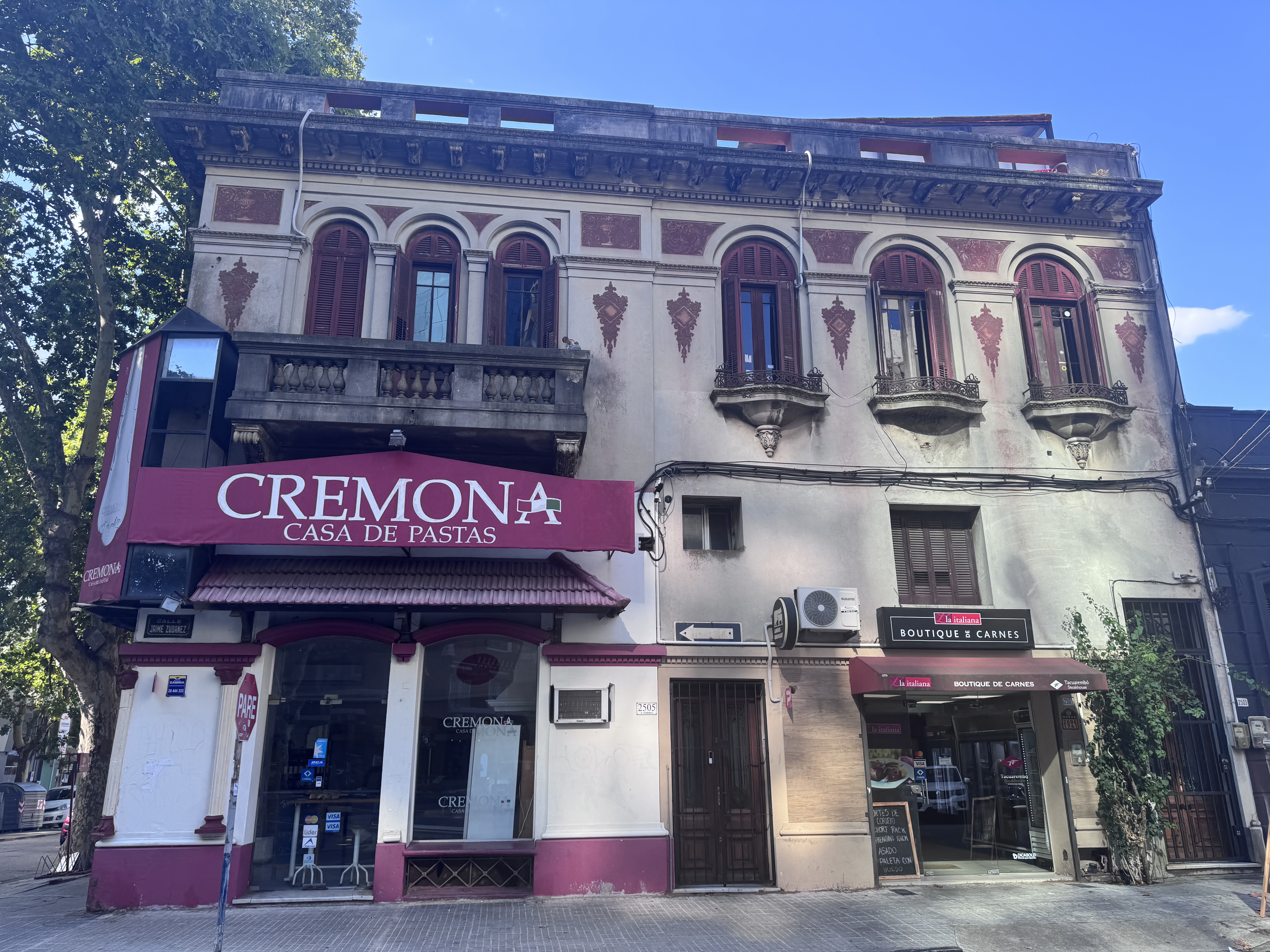
Walking around the city, Montevideo, Uruguay, January 2026
After a few days of movement and discovery, I find myself in Montevideo.
The journey unfolded gently. One day in Panama City, just enough to let memory walk beside me again. Three days in Lima, where the city revealed itself step by step, patiently, through walking rather than explanation. And now Uruguay, arriving not with spectacle but with a quieter promise.
Panama was brief, but full.
Returning there always feels layered. Casco Viejo held me again in its narrow streets and softened façades, shaped by centuries of destruction and reinvention. I walked past places where earlier versions of my life unfolded — cafés where mornings once stretched lazily, streets whose rhythm I still carry in my body. Panama never feels like a stopover. It feels like a place that remembers, even if the remembering happens mostly inside me.
Beyond the old quarter, the city opened outward. Avenida Balboa, where the skyline meets the Pacific and ships wait patiently offshore. Vía Argentina, alive with conversation and shade. And Ciudad del Saber, where ideas once mattered more than speed, where I worked, worried, hoped, and believed deeply in cooperation. Being there again felt like opening an old notebook and recognising your own handwriting.
Then Lima.
Three days of walking until the city began to speak.
I arrived without a plan, which felt exactly right. Lima does not demand preparation; it asks for attention. Miraflores welcomed me with calm streets and filtered light, before suddenly giving way to the cliffs and the Pacific below. The ocean there is not decoration — it is presence. Constant, steady, indifferent.
Barranco followed, narrower and more introspective. A place that remembers. I crossed the Bridge of Sighs almost accidentally, held my breath, made a quiet wish, and smiled at myself for participating in a legend I had just learned. Cities endure not only through architecture, but through these small agreements to keep stories alive.
The second day deepened everything. With Sebastián, the historic centre opened its layers — the cathedral heavy with centuries, a discreet library behind the presidential palace where silence felt intentional, protective. Then Chinatown, alive and unapologetic, where fusion has long since become tradition rather than novelty. And later, fountains rising and dancing at dusk, joyful and slightly absurd, children running between jets of light. Lima does not resist contradiction. It embraces it.
The final day was deliberately simple. Shopping, coffee, familiar streets that had already begun to feel known. That moment when a place stops being new is always bittersweet. I packed slowly, knowing I was leaving unfinished conversations behind — with the city, and perhaps with myself.
Since leaving Caracas, I have been walking constantly. Fifteen thousand steps a day has become the norm, and one day in Lima reached just over twenty thousand. My legs feel it — but in the best way. Walking remains my favourite way of understanding a place. It aligns thought and movement, quietens noise, sharpens attention.
And now Montevideo.
Yesterday was bright and full of sun. Today it is raining lightly, and the change feels welcome. The city seems to soften under rain, colours deepening, sounds lowering. Later today I will meet a guide who will show me the highlights of the city — an introduction, a first conversation. Together we will also plan a visit to Colonia, and perhaps further east along the coast, to places where the map loosens and the rhythm changes.
I am looking forward to all of it.
Being here feels like the right pace. Not rushing, not accumulating, just moving attentively from one place to the next. Travelling like this — walking, listening, letting cities unfold rather than perform — reminds me why distance matters. Why change of place changes something inside us too.
More soon, from this side of the river that pretends to be an ocean.

June 2026
May 2026
April 2026
March 2026
February 2026
January 2026
December 2025
November 2025
October 2025
September 2025
August 2025
July 2025
June 2025
May 2025
April 2025
March 2025
February 2025
January 2025
December 2024
November 2024
October 2024
September 2024
August 2024
July 2024
June 2024
May 2024
April 2024
March 2024
February 2024
January 2024
December 2023
November 2023
October 2023
September 2023
August 2023
July 2023
June 2023
May 2023
April 2023
March 2023
February 2023
January 2023
December 2022
November 2022
October 2022
September 2022
August 2022
July 2022
June 2022
May 2022
April 2022
March 2022
February 2022
January 2022
December 2021
November 2021
October 2021
September 2021
August 2021
July 2021
June 2021
May 2021
April 2021
March 2021
February 2021
January 2021
December 2020
November 2020
October 2020
September 2020
August 2020
July 2020
June 2020
May 2020
April 2020
March 2020
February 2020
January 2020
December 2019
November 2019
October 2019
September 2019
August 2019
July 2019
June 2019
May 2019
April 2019
March 2019
February 2019
January 2019
December 2018
November 2018