Apure: Back to the Field 🇻🇪
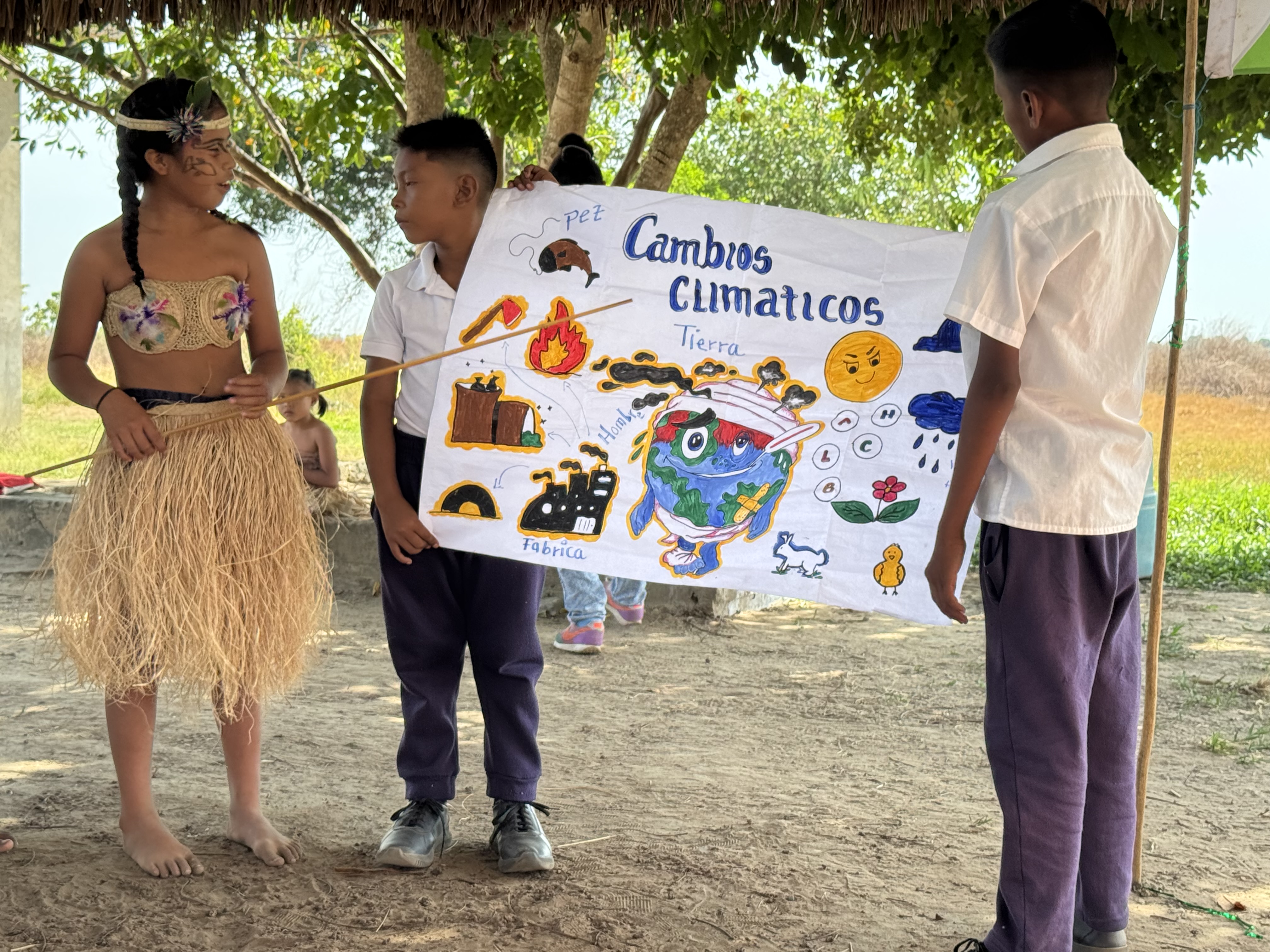
A Village Near Puerto Paez, Apure State, Venezuela, March 2026
At the end of March 2026, a small window opened.
After months of constraints and careful navigation, it finally became possible to travel again within Venezuela with a bit more flexibility from the authorities. It was a trip long anticipated — not for its destination alone, but for what it would allow: a return to the field, to places where work takes shape beyond documents and discussions.
The journey began in Caracas, early in the morning, heading south toward San Fernando de Apure. Hundreds of kilometres unfolded slowly, the city giving way to long stretches of open land. The plains extended wide and quiet, shaped by heat, distance, and time.
The landscape changed gradually.
Dry grasslands, scattered trees standing resilient under a strong sun, rivers appearing as calm interruptions in the vastness. In some areas, the effects of drought were visible — the earth tired, colours subdued. And yet, life continued. Always quietly, always persistently.
There were pauses along the way.
Stops for coffee in roadside places where time seems to move differently. Lunch taken in small towns, where conversations with colleagues stretched naturally beyond work — about the journey, about the country, about the people we would soon meet. These moments, simple as they are, become part of the understanding.
San Fernando was not the destination, but a point of departure.
From there, the road led deeper into the municipality of Pedro Camejo, toward places that are rarely visible on maps beyond the local level. La Macanilla, Puerto Páez, Belén de Cinaruco — names that carry weight for those who live there, and stories that unfold slowly for those who visit.
In La Macanilla, a school stood as a reminder that change can begin quietly. Spaces designed for protection and learning had been created within the school environment — places where children can express themselves, where music, tradition, and education come together. The presence of instruments, traditional clothing, and learning materials spoke not only of support, but of an effort to restore normality.
Further along, in Puerto Páez, conversations with local health authorities brought another layer of understanding. Services stretched across large distances. Needs that evolve faster than resources. Practical discussions, grounded in reality, shaped by daily constraints rather than theory.
Then to Belén de Cinaruco, where a school that once did not function now carries life again. From zero students to dozens within a year. Classrooms reopened. Teachers trained. Infrastructure restored — water through a newly drilled well, storage systems installed, sanitation improved, solar panels harnessing the same sun that defines the region. Even school gardens now grow, adding something essential yet often overlooked: diversity, nourishment, continuity.
Between these places, the road remained constant.
Long drives. Dust rising behind the vehicle. Occasional settlements. Children watching quietly as we passed. Houses that speak of resilience more than comfort. Indigenous communities living with the realities of distance, environmental pressure, and limited access to services — yet maintaining identity, structure, and presence.
Life here is not easy.
But it is not static either.
Across the communities visited, there are signs — sometimes small, sometimes more visible — that solutions are taking shape. Not perfect, not immediate, but real. Built through effort, through cooperation, through persistence.
Evenings in San Fernando brought reflection.
Notes reviewed. Observations shared. Conversations with colleagues continued — trying to make sense of what had been seen, what had been confirmed, what still requires attention. There is a particular clarity that comes from these exchanges after long days in the field.
And then, the road back to Caracas.
The same hundreds of kilometres, but no longer the same journey. What had been abstract now had faces, places, voices. The landscape, once observed, now felt known — even if only partially.
This gallery captures fragments of those days.
The long road south.
The plains of Apure.
La Macanilla. Puerto Páez. Belén de Cinaruco.
Moments of pause, conversation, observation.
A journey made possible by a small opening in access.
A return that mattered.
Because in places like these, impact does not arrive all at once.
It appears gradually — in reopened schools, in flowing water, in voices returning to classrooms.
Built step by step.
Across distance.
And carried back, kilometre by kilometre.
Click here to access the gallery.

List to links of all albums available in 'Google Pictures'
June 2026
May 2026
April 2026
March 2026
February 2026
January 2026
December 2025
November 2025
May 2025
April 2025
March 2025
December 2024
November 2024
June 2024
May 2024
February 2024
January 2024
December 2023
November 2023
October 2023
September 2023
August 2023
July 2023
June 2023
May 2023
April 2023
March 2023
February 2023
January 2023
December 2022
November 2022
October 2022
September 2022
August 2022
July 2022
June 2022
May 2022
April 2022
March 2022
December 2021
November 2021
October 2021
September 2021
August 2021
July 2021
June 2021
March 2021
February 2021
January 2021
October 2020
September 2020
January 2020
December 2019
November 2019
August 2019
July 2019
June 2019
May 2019
April 2019
March 2019
February 2019
January 2019
December 2018